CEREC & Dental Crowns: Same-Day Repairs, Process & When Crowns Are Needed
A dental crown covers and protects a tooth that has been weakened, damaged, or badly worn. CEREC, which stands for Chairside Economical Restoration of Esthetic Ceramics, allows some crowns to be designed and made in a dental office during one visit. That can mean less waiting and no temporary crown for suitable cases.
The treatment may be considered when a tooth has a large filling, fracture, or significant loss of tooth structure. CEREC uses digital scanning and an in-office milling system, so the finished restoration can often be fitted without sending the case to an outside laboratory.
What is a CEREC same-day dental crown?
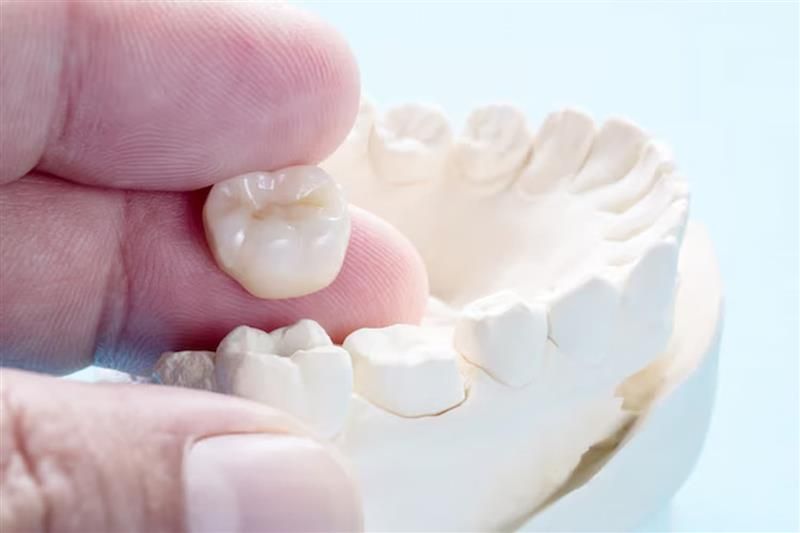
A CEREC same-day dental crown is a custom crown designed, and made with digital dental technology, often during a single appointment. It covers a damaged tooth and restores its shape while providing support for normal biting.
The process is fairly straightforward;
- Digital scan: A scanner records the prepared tooth, and nearby teeth.
- Computer design: Dental software creates a digital model for the crown.
- In-office milling: A ceramic block is shaped into the planned restoration.
- Final placement: The dentist checks the crown, and bonds it to the tooth.
Same-day dental crowns aren't right for every tooth. The dentist first needs to check the condition of the tooth, the amount of remaining structure and whether the planned restoration can provide enough support.
How does a same-day CEREC crown work?
A same-day CEREC crown usually involves examining the tooth, preparing it, scanning it, designing the restoration, milling the crown, checking the fit, and bonding it in place.
Step 1: Examine and prepare the tooth
The dentist first checks whether the tooth can support a crown. Damaged or weakened areas are removed, and the remaining tooth is shaped so the crown can fit securely.
Step 2: Digitally scan the tooth
A digital scanner captures the prepared tooth and surrounding teeth. The images are used to create a three-dimensional model of the area.
Step 3: Design the crown
The dentist uses computer software to design the crown based on the tooth's shape and the patient's bite. The design needs to fit the prepared tooth and work properly with the surrounding teeth.
Step 4: Mill the crown
The digital design is sent to an in-office milling unit. The machine shapes a ceramic block into the crown based on the approved design.
Step 5: Check the fit
The dentist places the crown on the prepared tooth and checks how it fits, looks, and meets the opposing teeth. Minor adjustments can be made at this stage.
Step 6: Bond the crown
Once the fit is right, the crown is bonded to the prepared tooth. Treatment time varies because every tooth and case is different.
One practical benefit of CEREC is that suitable crowns can often be completed without waiting for an outside dental laboratory.
Can a same-day crown fix a broken tooth?
Yes, same-day dental crowns can repair some broken teeth when enough healthy tooth structure remains to support it. The dentist first examines the fracture to see whether the tooth can be restored safely.
A small chip may need only bonding or another minor restoration. A larger fracture can require a crown to cover and protect the remaining tooth.
If the break has affected the pulp inside the tooth, root canal treatment may be needed before the crown. A severe crack is different. When a fracture extends below the gumline or leaves too little usable tooth structure, a crown may not be possible and extraction could be considered.
Pain is another reason to have a broken tooth checked. Pain when biting, strong sensitivity to temperature or swelling can indicate that the damage extends beyond the visible part of the tooth.
A broken tooth isn't automatically suitable for a same-day crown. The condition of the tooth has to be checked first.
When does a broken tooth need a dental crown?
A broken tooth may need a dental crown when enough healthy tooth remains, but the fracture has weakened the tooth, or changed its shape. Same-day dental crowns may be an option for suitable cases when the tooth can be restored and there is enough healthy structure to support the crown.
The size and location of the break matter. Back teeth handle strong chewing forces so a large filling may not provide enough support when substantial tooth structure is missing. A crown may also be recommended after root canal treatment, to protect the weakened tooth from further damage.
Not every broken tooth needs a crown. A small chip may be repaired with bonding, while severe damage may require another treatment or extraction. An examination, and X-rays can help determine whether the tooth can support a crown, and whether the nerve or surrounding structures are affected.
What is the difference between a dental crown and a dental bridge?
A dental crown protects a damaged or weakened tooth, while a dental bridge replaces a missing tooth. The main difference is whether the natural tooth is still present.
| Feature | Dental Crown | Dental Bridge |
|---|---|---|
| Main purpose | Covers and protects a damaged or weakened tooth | Replaces a missing tooth |
| Used when | The natural tooth can still be restored | A tooth is missing and needs replacement |
| Support | Uses the prepared natural tooth underneath | Uses neighboring teeth or dental implants |
| Traditional option | Placed directly over the prepared tooth | Uses teeth next to the gap for support |
| Implant-supported option | Not required for a traditional crown | Can use dental implants instead of neighboring teeth |
| Treatment goal | Restore strength, shape, and function | Fill a gap and restore chewing function |
| Can both be used? | Yes | Yes, when different teeth need different treatments |
How long does a CEREC crown take?
A CEREC crown can often be completed during one appointment, although the actual treatment time varies with the tooth, preparation, and dental office. Some patients need additional treatment before the crown can be placed.
The tooth has to be prepared first. After that, it is digitally scanned and the crown is designed on a computer. The restoration is then milled and checked before being bonded to the tooth.
An infection, extensive decay, or damage to the pulp can change the schedule. For example, a tooth that needs root canal treatment may require that problem to be addressed before the final crown is placed.
The main time-saving feature is that suitable restorations can be designed and milled in the office rather than being sent to an outside laboratory.
Are CEREC crowns strong enough for back teeth?
CEREC crowns can be used on back teeth when the selected ceramic material and treatment plan are appropriate for the tooth and the patient's bite. The dentist looks at the remaining tooth structure, and the forces placed on the tooth before choosing the restoration.
Back teeth take a lot of pressure during chewing. Someone who regularly clenches or grinds their teeth can place even more stress on a crown.
Does the crown material matter?
Yes. CEREC technology can be used with different ceramic materials. The appropriate choice depends on the tooth, its condition and what the restoration needs to handle.
Why does crown preparation matter?
The crown needs enough healthy tooth structure underneath it and a proper fit. Good preparation and bonding are part of making sure the restoration stays secure.
What if you grind your teeth?
Tell your dentist if you clench or grind your teeth, especially at night. A protective night guard may be recommended to reduce stress on the crown while you sleep.
How should you care for a CEREC dental crown?
Care for a CEREC crown much like a natural tooth. Brush regularly, clean between your teeth, and keep up with dental examinations. The crown itself can't develop a cavity, but the natural tooth underneath it still can.
Avoid using the crown or other teeth to bite hard objects such as pens, fingernails, or packaging. Those habits can put unnecessary force on the restoration.
Pay attention to changes after treatment. A crown that feels loose, chips, causes ongoing sensitivity, or feels too high when you bite should be checked by your dentist.
The gum around the crown needs care too. Plaque can collect along the edge of the restoration and contribute to gum inflammation.
A crown can provide many years of service, but it won't last forever. Wear, damage, decay around the tooth, or changes in the supporting tooth can eventually lead to repair or replacement.
CEREC & Dental Crown Services at Crown Point Dental
At Crown Point Dental Care, we offer CEREC one-day crowns for eligible patients who need to restore damaged, weakened, or broken teeth. Using digital scanning and in-office milling, suitable crowns can be designed and completed during a single appointment.
If you’re dealing with a damaged tooth and want to know whether CEREC or another crown option is appropriate, contact us to schedule an evaluation and discuss your treatment options. You can call us at (614) 457-4303.
Frequently Asked Questions
Can a CEREC crown really be completed in one day?
Yes. Suitable CEREC cases can often be completed during one appointment. The tooth is prepared and scanned, the crown is designed and milled in the office, and the finished restoration is bonded to the tooth. Some cases need additional treatment first.
Are CEREC crowns as good as traditional crowns?
CEREC crowns can provide effective restorations when the material, tooth preparation, design, and bonding are appropriate. Traditional laboratory-made crowns are still useful for many situations. The dentist chooses based on the tooth, bite, restoration needs, and treatment plan.
Can a broken tooth be crowned immediately?
Not always. The dentist needs to check how far the fracture extends and whether the tooth, root, and pulp can support a crown. Some broken teeth need root canal treatment or another procedure before the final restoration can be placed.
Is a CEREC crown suitable for every tooth?
No. CEREC treatment isn't suitable for every case. The remaining tooth structure, fracture location, gum health, bite, and restoration requirements all affect the decision. Some teeth may be better treated with another type of crown or a different restoration.
Does getting a dental crown hurt?
The tooth is normally numbed before it is prepared, so significant pain shouldn't occur during the procedure. Some sensitivity or gum soreness can happen afterward. Persistent or worsening pain should be reported to the dental office.
How long can a dental crown last?
A dental crown can last for many years, but there isn't one fixed lifespan for every patient. Oral hygiene, bite forces, tooth condition, grinding, and regular dental care all affect how long the restoration remains functional.