Invisalign Treatment: How It Works, Candidacy & Timeline
Invisalign treatment uses a series of custom-made clear aligners to move teeth into better positions. It can help with crooked teeth, crowding, gaps, and certain bite problems. Whether it'll work for you depends on how your teeth fit together and how much movement they need.
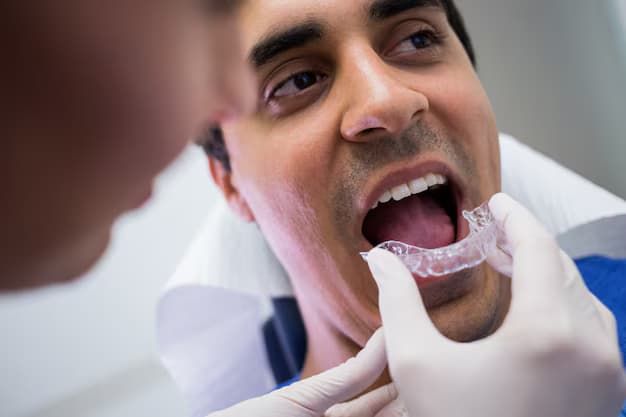
The aligners fit over your teeth and are changed as treatment progresses. You can take them out for meals, and brushing, which is handy. There's a catch, though. You'll usually need to wear them for 20 to 22 hours a day, so remembering to put them back in matters. A consultation with your dentist can help you understand what's realistic for your teeth.
How does Invisalign straighten crowded or crooked teeth?
Invisalign moves teeth with a series of clear aligners. Each set applies gentle pressure to guide certain teeth toward their planned positions. The changes happen gradually not overnight.
The Invisalign treatment process starts with an examination and digital scans, or impressions of your teeth. Your dentist checks your bite, looks at how crowded your teeth are, and plans the movements before your aligners are made.
You'll wear one set for the period your dentist recommends, then switch to the next. Some people also need small, tooth-colored
attachments on certain teeth to help guide movement.
You can remove the trays to eat, brush, and floss. But don't leave them out for hours after lunch or dinner. Most patients need to wear them for around 20 to 22 hours a day, and missing that target can slow progress.
You can check the practice's dental services to learn more about the care available.
Who is a good candidate for Invisalign?
Invisalign may suit adults and teenagers who have crooked teeth, gaps, or certain bite problems that clear aligners can correct. You also need to be comfortable wearing the trays for most of the day. That's the part people can underestimate.
It can work well for mild to moderate crowding and teeth that have shifted after braces. Some bite problems can be treated too, though the result depends on the specific case.
More severe crowding or complex bite issues may need traditional braces or another approach. Your dentist will also check for cavities and gum disease before treatment starts. Those problems may need to be treated first.
The Invisalign treatment process should match your teeth, not someone else's before-and-after photos. Ask your dentist what changes are likely in your case and whether you'll need attachments or extra aligners.
And be honest about your routine. If you know you'll keep taking the trays out and forgetting to put them back in, braces may be easier to manage.
How long does Invisalign treatment usually take?
Invisalign treatment often takes about 6 to 18 months but some cases finish sooner and others take longer. Your Invisalign treatment time depends on how far your teeth need to move also how your bite fits together, and whether you wear the aligners as directed.
A small amount of crowding may take less time to correct than a complicated bite issue. Regular wear helps keep things moving according to plan. Miss too many hours, and treatment can fall behind. Some people also need refinement aligners near the end to make further adjustments.
Your dentist can give you an estimate after examining your teeth. It isn't a fixed deadline, and the plan may change if your teeth don't move as expected.
There's also the retainer stage. Once your teeth reach their planned positions, you'll usually need a retainer to help stop them from shifting back. Ask how often you'll need to wear it.
What happens during the Invisalign treatment process?
The Invisalign treatment process begins with a dental visit, and continues until your dentist is satisfied with the tooth movement. Here's what that usually looks like.
First, the consultation. Your dentist examines your teeth, bite, and gums to decide whether clear aligners are suitable.
Next, scans and planning. Digital scans or impressions help your dentist plan, how your teeth should move. Your custom aligners are made from that plan.
Then, daily wear. You'll get instructions on when to change trays and how long to wear each set. Take them out for meals and brushing, and keep them in their case when they're not in your mouth. Wrapping them in a napkin is risky because it's easy to throw them away by accident.
Follow-up visits. Your dentist checks whether your teeth are moving as expected. If a tray won't fit properly, call the office rather than forcing it or moving ahead to the next set.
Finally, retainers. These help keep your teeth in position after active treatment ends.
Is Invisalign better than braces?
Invisalign may be a better fit if you'd prefer clear, removable aligners. Braces can be more suitable for certain complex movements so the answer depends on what needs correcting.
With Invisalign, there are no metal brackets or wires, and brushing is generally simpler because you can remove the trays. The downside? You have to remember to wear them and clean them regularly.
Braces stay fixed to your teeth. You don't have to remember to put them back in after a meal and they can give your dentist more control over some movements. Cleaning around the brackets takes extra care, though.
When comparing Invisalign vs braces, ask which option is likely to work for your teeth, how long treatment may take, and what it'll cost. The most discreet option isn't automatically the best one for every case.
How much does Invisalign cost?
The average cost of Invisalign ranges from $3,000 to $8,000 before insurance; it varies from person to person. The price also depends on the amount of correction needed, how long treatment is expected to take and whether extra aligners or retainers are included.
Ask for a written estimate before agreeing to treatment. Check whether the fee covers consultations, follow-up visits, replacement trays, refinements, and retainers. If you'd prefer to spread out the payments ask whether the practice offers a payment plan.
At Crown Point Dental Care, you can discuss treatment options and costs before making a decision. An examination gives your dentist a clearer picture of what your teeth need, so the estimate can be based on your case rather than a general online price.
What should you do before starting Invisalign treatment?
Book a consultation and explain what you'd like to change about your teeth. Maybe they're crowded at the front, or perhaps a few have shifted since you had braces. The reason matters because it helps your dentist assess what treatment could achieve.
Ask how long your case may take, how many hours a day you'll need to wear the aligners, and whether you'll need attachments or refinement trays. Check what's included in the price, too.
You can also read the practice's dental blog before your appointment.
Frequently asked questions about Invisalign
Does Invisalign treatment hurt?
You may feel pressure or mild soreness when you start a new set of aligners. It often settles as your teeth adjust. If the pain is severe or doesn't improve then contact your dentist.
Can Invisalign fix severely crowded teeth?
It can correct many crowding problems, but severe cases need an examination. At Crown Point Dental Care, the dentist will check your teeth and bite before deciding whether Invisalign or another treatment is likely to work better.
How many hours a day should I wear Invisalign?
Most patients need to wear their aligners for around 20 to 22 hours a day. Remove them for meals and oral hygiene, and follow the schedule your dentist provides.
Can I eat while wearing Invisalign aligners?
Remove the aligners before eating. Chewing with them in can damage the trays. Brush your teeth before putting them back in when possible. Plain water is generally fine while wearing them.
Do I need retainers after Invisalign treatment?
Usually, yes. Teeth can shift after treatment, even when they've reached their planned positions. Your dentist will explain when to wear your retainer and how to care for it.