Your Invisalign Timeline Isn't Random: 7 Factors That Decide How Long Treatment Really Takes
Minor alignment issues may be corrected in as little as six months while more complex cases involving bite correction can take 18 months or longer. Your treatment timeline depends on several factors, including the condition of your teeth, your bite and how consistently you wear your aligners.
If you're considering Invisalign, it's natural to want a clear answer before getting started. One of the biggest questions people ask is
how long does Invisalign treatment take. Maybe you're planning for a wedding, a new job or simply want to know when you'll see your new smile. While it would be nice if everyone finished treatment on the same schedule, that's not how Invisalign works.
Every smile moves at its own pace. Some patients need only a few months to correct minor spacing, while others require more time to improve crowding or bite alignment. At Crown Point Dental Care, we explain what affects your treatment timeline before you begin, so you know what to expect instead of relying on general estimates. Understanding these factors can help you stay on track and get the best possible results from your Invisalign treatment.
How Long Does Invisalign Treatment Take?
For most patients, Invisalign treatment takes between 6 and 18 months. Minor spacing or crowding may be corrected in as little as six months, while more complex bite or alignment problems often take 18 months or longer.
The exact timeline depends on:
- The complexity of your case.
- How many hours you wear your aligners each day.
- Whether your bite needs correction.
- Your age and tooth movement.
- How well you follow your treatment plan.
- Your oral health.
- Whether additional refinements are needed.
The only way to know how long does Invisalign treatment take for your smile is through a professional evaluation.
1. The Condition of Your Teeth Matters More Than You Think
Not every smile requires the same amount of movement.
If your teeth have only slight crowding or small gaps, Invisalign treatment is shorter. However, if several teeth need to rotate, shift or move into new positions, the process naturally takes longer.
Small cosmetic changes can sometimes be completed within months, while correcting multiple alignment issues requires more time and careful planning.
2. Bite Problems Usually Extend Treatment
Many people believe Invisalign only straightens teeth but it can also improve bite problems.
Conditions such as:
- Overbite
- Underbite
- Crossbite
- Open bite
often require additional tooth movement beyond improving appearance.
When both the bite and the smile are being corrected, treatment usually lasts longer. The extra time helps create a healthier bite that functions properly and reduces unnecessary wear on the teeth.
3. Wearing Your Aligners Consistently Makes a Big Difference
One of the biggest reasons treatment takes longer is inconsistent wear.
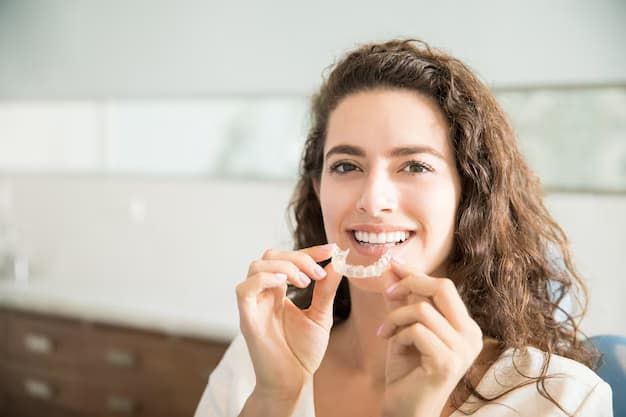
Your aligners should be worn for 20 to 22 hours each day. Removing them too allows teeth to shift back toward their original positions, slowing progress.
Patients who wear their aligners only during the day or frequently forget to put them back in often need additional trays or longer treatment.
If you are wondering how long does Invisalign treatment take, your daily habits play a major role in the answer.
4. Age Can Influence Tooth Movement
Healthy teeth can move at almost any age but adults and teenagers sometimes experience different treatment timelines.
Teenagers are still growing and their teeth may respond slightly faster in some situations. Adults often have older dental work, gum concerns or more complex alignment problems that require additional planning.
That does not mean adults cannot achieve excellent results. It simply means every treatment plan is designed around the individual patient rather than age alone.
5. Good Oral Health Keeps Treatment on Track
Healthy gums and teeth provide a strong foundation for successful Invisalign treatment.
Problems such as untreated cavities or gum disease may need attention before aligners can be started.
Keeping up with regular dental visits and maintaining excellent oral hygiene throughout treatment helps avoid unnecessary delays.
6. Refinements Are Sometimes Part of the Process
Many patients are surprised to learn that finishing the last aligner does not always mean treatment is complete.
Sometimes a dentist recommends refinement aligners which are additional trays designed to make small adjustments after the initial series.
These refinements help improve the final result and ensure your teeth fit together comfortably.
Although they can extend treatment slightly, they lead to a better long-term outcome.
7. Every Smile Responds Differently
Teeth do not move at exactly the same speed for everyone.
Some patients respond quickly, while others require more gradual adjustments. Factors like bone density, previous dental treatment and natural tooth movement all influence progress.
This is why comparing your timeline with someone else's rarely gives an accurate picture of what to expect.
Instead of asking how long your friend's Invisalign treatment lasted, it is more helpful to ask your dentist how long does Invisalign treatment take for your specific smile.
Can Invisalign Treatment Be Finished Faster?
Many patients hope there is a shortcut but moving teeth too quickly can affect their health and stability.
The safest way to avoid unnecessary delays is to-
- Wear aligners for the recommended number of hours every day.
- Change aligners only when instructed.
- Attend all scheduled checkups.
- Keep your teeth and gums healthy.
- Store aligners safely to avoid losing or damaging them.
Following your treatment plan carefully makes a bigger difference than any advertised "fast-track" solution.
Why a Personalized Treatment Plan Matters
Online articles can only provide averages because every patient starts from a different point.
Someone with mild crowding may finish much sooner than a patient correcting several bite issues. During your consultation, we evaluate your teeth, bite and smile goals before creating a treatment plan designed specifically for you.
If you have been asking how long does Invisalign treatment take, the most accurate answer comes after a complete dental examination rather than an estimate found online.
At Crown Point Dental Care, we guide patients through every stage of treatment so they understand what to expect and feel confident about their smile transformation.
Frequently Asked Questions
How long does Invisalign treatment take for mild crowding?
Many patients with minor crowding complete treatment in about six to twelve months, although every case is different.
Can wearing aligners less than 20 hours a day delay treatment?
Yes. Not wearing your aligners as recommended can slow tooth movement and increase the overall treatment time.
Do adults need longer Invisalign treatment than teenagers?
Not always. Treatment depends more on the complexity of the case than age, although some adult cases require additional planning.
Will I need more aligners after I finish my first set?
Some patients benefit from refinement aligners to make small final adjustments before treatment is complete.
How can I shorten my Invisalign treatment time?
The best way to stay on schedule is to wear your aligners consistently, attend every appointment and carefully follow your dentist's instructions.