What Should You Do After Getting a Same-Day Crown
Getting a crown in one visit changes the schedule, but it doesn't change the fact that the restored tooth still needs care afterward. You may be able to leave the office with your permanent crown the same day, but you still need to give yourself time to get used to the restoration and pay attention to how it feels.
At Crown Point Dental, we use CEREC technology to scan, design, mill, and place certain restorations during one appointment. Our CEREC system uses a digital scan and an in-office milling unit to create restorations without traditional physical impressions or a temporary crown. If you've just received a same-day crown, here's what deserves your attention once you leave the office.
Give Your Mouth a Little Time to Adjust
A new crown can feel different from the tooth it replaced. The shape may feel unfamiliar against your tongue. Your bite may also feel slightly different while you get accustomed to the restoration.
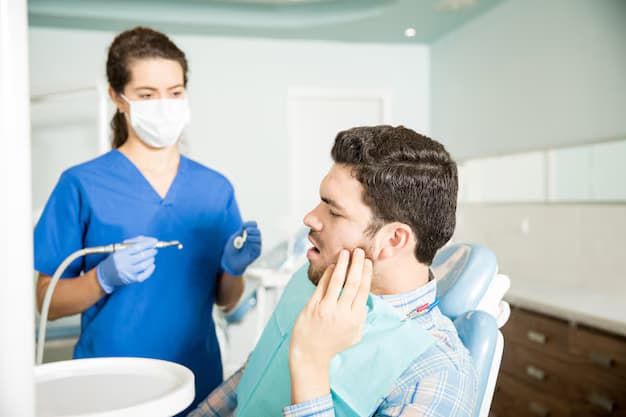
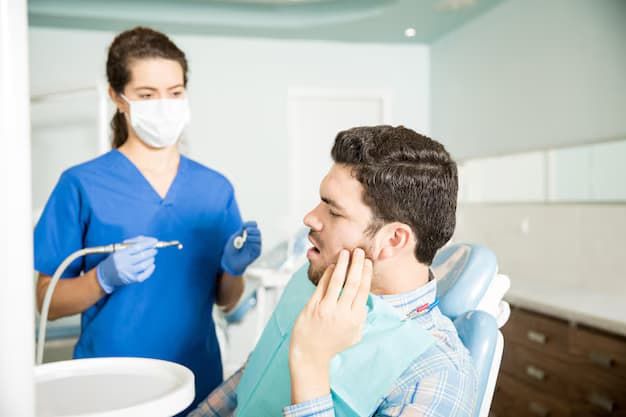
Some short-term sensitivity can occur after crown placement. Cleveland Clinic notes that sensitivity to hot and cold can occur for a couple of weeks after a crown procedure, while gum tenderness may settle within a few days.
That doesn't mean you should ignore persistent discomfort. If something continues to feel wrong, contact your dentist rather than assuming you simply need to get used to it.
Pay Attention to Your Bite
This is one of the most useful things you can monitor after receiving a crown. When you close your mouth, the crowned tooth shouldn't feel as though it hits noticeably before the surrounding teeth.
If the bite feels uncomfortable after a few days, let your dentist know. Colgate's patient guidance notes that pain or sensitivity when biting can indicate that a crown is sitting too high and may need adjustment. A simple adjustment can sometimes resolve the problem. There's no benefit in quietly putting up with a crown that consistently feels too high.
Don't Treat the Crown Like a Temporary Restoration
One advantage of our CEREC system is that the permanent restoration can be completed during the same appointment when the case is suitable. That doesn't mean the crown is something you can ignore after leaving the office.
The tooth underneath still matters. The gumline around it matters. Your bite matters. Your daily oral hygiene matters. Brush and clean between your teeth as you normally would unless we've given you different instructions for your specific situation. A crown protects and restores a tooth, but it doesn't make the surrounding area immune to plaque or decay.
Be Sensible About What You Chew
You don't need to stop eating normally because you've received a crown. You should, however, avoid treating dental work like a test of strength.
Extremely hard foods and objects can damage or dislodge dental crowns. Cleveland Clinic specifically advises avoiding items such as ice, very hard nuts, popcorn kernels, and sticky foods that can place stress on a crown.
The same basic principle applies to habits such as biting fingernails or using teeth to open packages. Your teeth are designed for chewing food, not for acting as tools.
What If You Grind or Clench Your Teeth?
A crown has to function within the patient's existing bite. If you grind or clench your teeth, the repeated forces can affect dental restorations as well as natural teeth. That doesn't automatically mean you can't have a crown. It does mean your dentist should know about the habit so that appropriate protection can be considered.
If you've previously used a night guard or have been told that you grind your teeth, mention it during your appointment. At Crown Point Dental, we consider the way the restoration fits into your overall bite rather than treating the crown as an isolated piece of material.
When Should You Call Us?
A little sensitivity isn't necessarily a reason to panic. A loose crown is different. So is a crack, chip, sharp edge, persistent pain, or a bite that remains uncomfortable. Cleveland Clinic recommends contacting a dentist for concerns such as a loose crown, cracks or chips, sharp edges or persistent problems.
You should also tell us if the tooth becomes increasingly painful rather than gradually settling. Don't wait weeks hoping a problem will disappear if something clearly feels wrong.
Same-Day Doesn't Mean No Follow-Up
The phrase "same-day crown" can make it sound as though everything begins and ends in one appointment. The restoration may be completed in one visit, but your relationship with the restored tooth doesn't end there. A crown needs to remain comfortable, functional and properly maintained.
Our CEREC service is designed to complete eligible restorations in a single appointment, but we still evaluate whether a same-day restoration is appropriate for the individual tooth before proceeding. That's an important distinction. Speed is useful when the treatment is appropriate. It shouldn't replace proper diagnosis and planning.
What If You're Considering a Same-Day Crown?
If you're researching a same day crown dentist, ask more than whether the office can make a crown in one visit.
- Ask how the tooth is evaluated first.
- Ask what happens if the tooth isn't a suitable candidate.
- Ask what technology is used to create the restoration and how the bite will be checked.
At Crown Point Dental, our CEREC workflow uses a Primescan digital scanner and Primemill in-office milling unit. The system can produce crowns and other ceramic restorations in the office when the case is appropriate.
That technology is useful because it supports a one-visit workflow. The clinical decision still comes first.
Bottom Line
A same-day crown can save a patient additional appointments, but the care shouldn't stop when you leave the office. Give yourself time to adjust, maintain normal oral hygiene, avoid unnecessary stress on the restoration, and contact your dentist if your bite remains uncomfortable or the crown becomes painful, loose, cracked, or otherwise unusual. At Crown Point Dental, we use CEREC technology to provide eligible same-day restorations while still evaluating the individual tooth before treatment. If you're considering a same-day crown dentist, ask both about the technology and what happens before and after the crown is placed.