Your Jaw Hurts When You Wake Up: Could You Be Grinding Your Teeth at Night?
Waking up with a sore jaw or a dull headache is annoying, especially when you can't figure out why. One common reason is nighttime teeth grinding, also called bruxism. Since it happens while you're asleep, you might not even know you're doing it until your jaw starts complaining. TMJ treatment in Columbus may be worth considering if these symptoms happen regularly or begin affecting your daily comfort.
At Crown Point Dental Care, we tell patients not to brush off morning jaw pain as just "one of those things." It can be a sign of real strain on your jaw joints and the muscles around them. Knowing the link between grinding and TMJ issues can help you figure out when it's time to get it checked out.
Why Does Your Jaw Hurt More in the Morning?
Your jaw muscles are working all day, talking, chewing, swallowing. If you clench or grind at night, those same muscles never get their break. They just keep working while you sleep.
So you wake up sore. Maybe your face feels tender, or you've got a headache near your temples, or your teeth feel sensitive. Some people notice nothing right away and the discomfort creeps in later in the morning instead.
Grinding does not always lead to a TMJ problem, but repeated pressure can place extra stress on your jaw joints and muscles. If morning soreness keeps coming back, TMJ treatment in Columbus may be something to discuss with your dentist.
What's the Actual Connection to TMJ?
The temporomandibular joints are what connect your lower jaw to your skull, letting you open, close, and move your mouth side to side. A whole network of muscles works with these joints to keep your jaw moving smoothly.
Grind or clench often enough and those muscles get fatigued and irritated. Some people with TMJ issues notice clicking, popping, stiffness, or pain when they chew or try to open wide. That said, a clicking jaw by itself doesn't necessarily mean something's seriously wrong.
If the symptoms stick around, a dental exam can help sort out whether grinding, your bite, or the joints themselves are behind it. This is usually where TMJ treatment in Columbus starts, not by throwing a fix at the pain, but by figuring out what's actually causing it.
Signs You Might Be Grinding at Night
You can't really catch yourself doing it while you're asleep. A partner might hear it, but plenty of people sleep alone or grind quietly enough that nobody notices.
Watch for:
Waking up with a sore or stiff jaw
Frequent morning headaches
Flattened, chipped, or worn-down teeth
Teeth that feel more sensitive than usual
Soreness around your temples or cheeks
Clicking or popping in the jaw
Trouble opening your mouth comfortably
A jaw that just feels "tired" when you wake up
None of these on their own confirms you're grinding. They can point to other things too, which is exactly why it's worth getting checked rather than guessing.
When Should You Get It Checked?
Occasional tightness might just work itself out. But if you're waking up sore on a regular basis, getting headaches that seem tied to clenching, or noticing your mouth doesn't open or close the way it used to, that's worth a visit.
If you're looking into TMJ treatment in Columbus, the starting point should always be a proper assessment. Treatment isn't one-size-fits-all. Depending on what we find, it might mean reducing strain, protecting your teeth, addressing a habit, or dealing with an underlying dental issue.
At Crown Point Dental Care, we take the time to actually understand what you're dealing with before recommending anything. The goal is for you to leave knowing what's going on and what your options are.
What Actually Helps Protect Your Jaw?
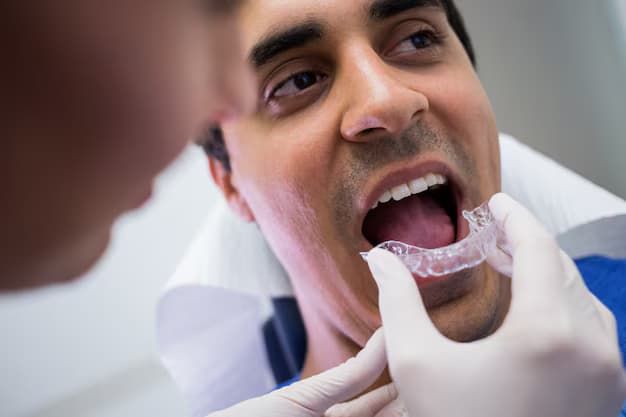
If grinding turns out to be the issue, your dentist might bring up a custom oral appliance, something built specifically for your mouth, not a generic mouthguard off a store shelf. A well-fitted one keeps your teeth from grinding directly against each other while you sleep.
A few daily habits help too. Ease up on gum. Stick to softer foods for a bit if chewing feels uncomfortable. Pay attention to whether you're clenching during the day, keeping your teeth slightly apart when you're not eating is a simple way to catch yourself doing it.
None of this replaces getting checked out if the problem keeps showing up. TMJ treatment in Columbus should be built around your actual symptoms, not a generic checklist.
Why Getting Evaluated Matters
Jaw pain can come from more than one place, and treating the wrong thing usually just wastes time. An exam can catch tooth wear, muscle tenderness, bite issues, and other clues that explain what's going on.
If you're considering TMJ treatment in Columbus, this is the point where you'd talk through how often it happens, whether mornings are worse, and whether grinding seems to be part of it.
At Crown Point Dental Care, good care starts with actually listening to what you're describing. We want you to understand why you're uncomfortable and what your options look like before deciding on anything.
Conclusion
Waking up with jaw pain isn't just something to accept because you're getting older or had a rough week. Nighttime grinding is one likely explanation, especially when soreness, headaches, and worn teeth show up together.
If this is becoming a regular thing, it's worth bringing up TMJ treatment in Columbus with your dentist sooner rather than later. Catching it early makes it easier to protect your teeth and stop the strain before it builds up.
When you come in, we'll look at your symptoms, answer your questions, and help you figure out whether TMJ treatment makes sense for you. If mornings keep starting with a sore jaw, getting to the bottom of why is a good first move.