How Long Do Dental Veneers Last? What Can Affect Their Lifespan
Dental veneers can change the appearance of a smile without covering the entire tooth. But before committing to them, there's a practical question worth asking: how long should you expect them to last? There isn't one expiration date that applies to every veneer.
Research on porcelain laminate veneers shows high long-term survival rates, but studies also report complications such as fracture, chipping, and debonding. The material, tooth, bonding conditions, bite, and patient habits can all affect what happens over time.
At Crown Point Dental, we look beyond the initial cosmetic result. When we plan veneers, we also need to think about how they will function as part of the patient's bite and everyday life.
So, How Long Do Veneers Actually Last?
Research doesn't support one universal number. A 2021 systematic review of 25 studies involving 6,500 porcelain laminate veneers estimated a 10-year cumulative survival rate of 95.5%. The researchers also found that fracture was the most common complication, followed by debonding.
Another systematic review found an overall estimated survival rate of 89% at a median follow-up of about nine years with differences between glass-ceramic and feldspathic porcelain veneers.
More recent research published in 2025 also found high 10-year survival rates across several ceramic veneer materials, although the researchers noted differences in complication rates and that long-term evidence for some newer materials remains limited.
So rather than promising that every veneer will last a specific number of years, it's more accurate to ask what helps a veneer remain successful over time.
The Way a Veneer Is Bonded Matters
A veneer isn't simply placed over a tooth and left there. It is bonded to the tooth, which means the condition of the tooth and the bonding surface matter. Research has found that veneers bonded to enamel can have strong long-term survival. One systematic review specifically reported high 10-year survival for feldspathic porcelain veneers when bonded to enamel. This is one reason treatment planning matters before the veneer is made.
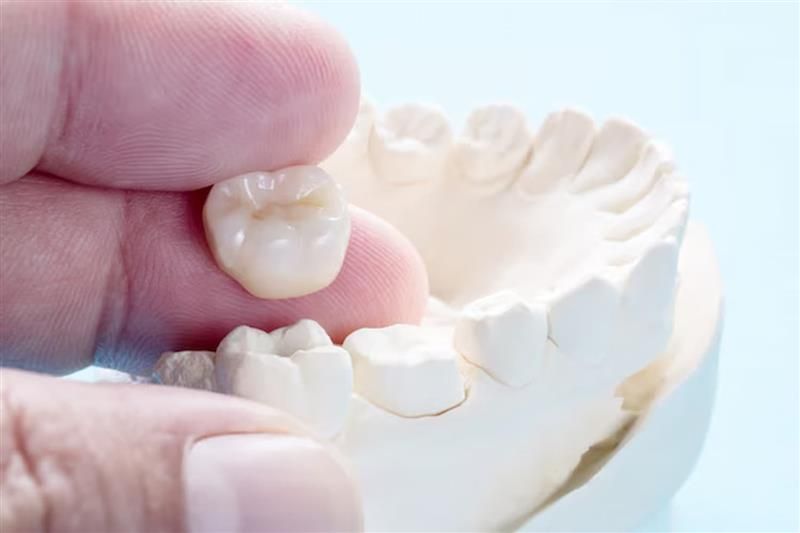
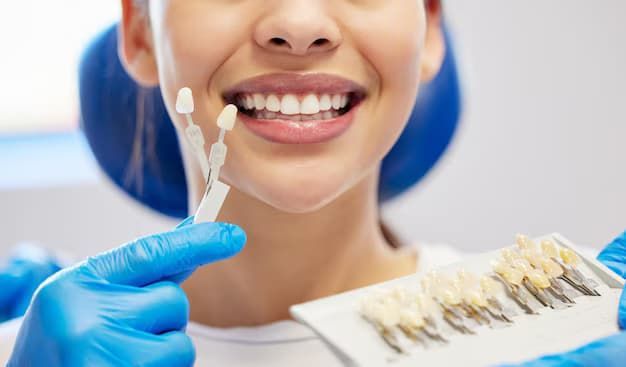
At Crown Point Dental, our veneer service describes veneers as thin porcelain or resin shells bonded to the tooth surface, with little or no tooth structure removed in many cases. We still need to examine the individual tooth to determine whether veneers are appropriate.
Your Bite Can Affect What Happens Later
A veneer may look perfect when you leave the office, but it still has to function every time you chew. For some patients, bite forces can place more stress on the restoration. Clenching or grinding can also expose veneers to repeated forces.
Long-term clinical research has identified occlusion, preparation design, existing composite restorations, and adhesive factors among variables associated with veneer outcomes. That doesn't mean someone who grinds their teeth can never have veneers.
It means those habits should be part of the conversation before treatment, not discovered after a veneer chips.
Everyday Habits Matter More Than You Might Think
A veneer is designed for normal use. It's not a substitute for a tool. Using your front teeth to bite fingernails, open packaging or break hard objects can place unnecessary stress on the restoration. Very hard foods may also be a concern depending on where the veneers are placed and the individual patient's bite.
Good oral hygiene remains important as well. A veneer itself doesn't make the surrounding tooth or gums immune to dental problems. Regular brushing, cleaning between the teeth, and dental examinations remain part of protecting the natural structures around the restoration.
What Usually Goes Wrong?
Veneers don't all fail in the same way. Research identifies fracture or chipping as a common complication. Debonding, discoloration, secondary decay and endodontic problems have also been reported.
That doesn't mean these problems are inevitable. It does mean that "How long will they last?" is only half the question. A better question is: What could shorten their useful life in my particular case?
Your dentist can consider the condition of the teeth, existing restorations, bite, habits, oral hygiene and the type of veneer being planned.
Veneers Don't Have a Fixed Replacement Date
Patients sometimes imagine that veneers have an expiration date and must automatically be replaced after a certain number of years. That's not how clinical care works. A veneer that remains functional, intact and healthy around its margins doesn't necessarily need replacement simply because it has reached a certain age.
On the other hand, a veneer may need attention sooner if it fractures, debonds, develops a problem around the tooth, or no longer functions appropriately. That is why ongoing examinations matter.
What Can You Do to Protect Them?
Once you've received veneers, the goal is simple: treat them as dental restorations, not as indestructible cosmetic covers. Continue your normal oral hygiene routine. Attend regular dental examinations. Tell us if you notice a change in the way your teeth meet, a rough edge, sensitivity, movement or a chip.
If you clench or grind your teeth, ask whether additional protection is appropriate for your situation. At Crown Point Dental, we want the cosmetic result to work with the health and function of your teeth. That starts with planning, but it continues with maintenance after the veneers are placed.
What Should You Ask Before Choosing a Veneers Dentist in Columbus?
If you're comparing a veneers dentist in Columbus, don't make the decision based only on before-and-after photographs.
- Ask what material is being recommended and why.
- Ask how much tooth preparation your case requires.
- Ask how your bite will be considered.
- Ask what could cause the veneers to chip or debond and what follow-up care will look like.
You should also understand whether veneers are actually the most appropriate solution for the concern you're trying to address.
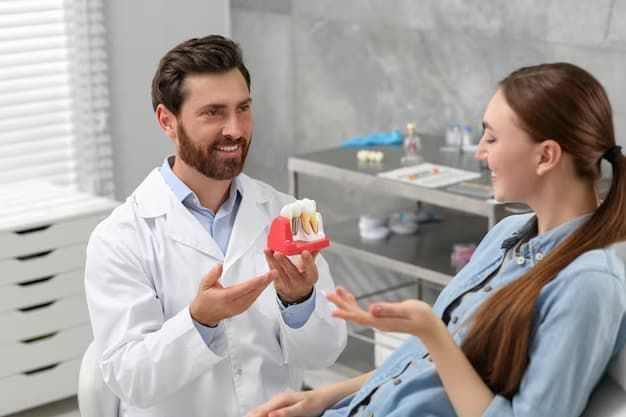
Sometimes another cosmetic or restorative option may make more sense. The consultation should answer those questions before you commit to treatment.
Bottom Line
Dental veneers can provide durable cosmetic results, but longevity varies from patient to patient. Research shows strong long-term survival for many porcelain veneers, while also identifying fracture, chipping, and debonding among the complications that can occur.
The goal isn't to promise that every veneer will last a predetermined number of years. It's to plan appropriately, account for factors such as the bite and existing tooth structure, and maintain the restoration afterward. If you're researching a veneers dentist in Columbus, we can evaluate whether veneers fit your teeth, goals, and overall dental needs.