Is It Really TMJ? How Columbus Dentists Tell the Difference Between Jaw Disorders, Teeth Grinding and Tooth Pain
A TMJ dentist in Columbus evaluates jaw pain, headaches, facial discomfort, bite problems and tooth pain to determine whether the symptoms are caused by a temporomandibular joint (TMJ) disorder, teeth grinding, muscle tension or another dental condition. Finding the correct cause helps guide the most effective treatment.
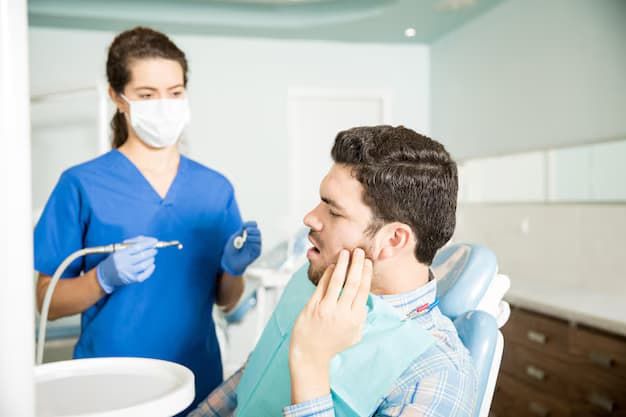
You wake up with a sore jaw. By lunchtime, a headache starts to build and later in the day, one of your back teeth begins to ache. Is it a cavity? Did you grind your teeth while sleeping? Or could it be a problem with your jaw joint?
Because these symptoms overlap, it's easy to assume you know what's causing them. In reality, jaw pain, headaches and tooth discomfort can all have different underlying causes. That's why many people begin searching for a TMJ dentist in Columbus when the pain doesn't go away or keeps coming back.
At Crown Point Dental Care, we know that treating the wrong problem won't provide lasting relief. The first step isn't simply managing the symptoms; it's identifying what's actually causing them. TMJ Treatment in Columbus offers effective solutions to relieve jaw pain, headaches and improve your overall quality of life.
Why Different Dental Problems Can Feel So Similar
The jaw, teeth, muscles and joints all work together every time you speak, chew or yawn.
Because these structures are closely connected, pain in one area can sometimes be felt somewhere else. For example, a problem with your jaw joint may feel like a toothache while teeth grinding during sleep can lead to headaches or facial soreness.
This is one reason patients struggle to identify the real source of their discomfort without a professional evaluation.
Could It Be TMJ?
The temporomandibular joints connect your lower jaw to your skull and allow your mouth to open, close and move from side to side.
When these joints or the surrounding muscles aren't functioning properly, you may notice-
- Jaw pain or stiffness.
- Clicking or popping sounds.
- Difficulty opening your mouth fully.
- Pain while chewing.
- Jaw locking.
- Facial discomfort near the ears.
These symptoms don't automatically mean you have a TMJ disorder but they suggest it's worth being evaluated by a TMJ dentist in Columbus.
Could Teeth Grinding Be the Real Problem?
Many people grind or clench their teeth without realizing it, especially during sleep. Over time, this habit can place significant pressure on the teeth and jaw muscles.
Common signs include-
- Morning headaches.
- Worn or flattened teeth.
- Jaw fatigue after waking.
- Sensitive teeth.
- Tight facial muscles.
Since teeth grinding and TMJ disorders can produce similar symptoms, it's important to determine which condition is responsible before treatment begins.
Sometimes the Tooth Is the Problem
Not every toothache starts inside the tooth. However, genuine dental problems can also create pain that spreads into the jaw or face.
For example:
- A cracked tooth
- Deep tooth decay
- An infected tooth
- An abscess
These conditions may feel surprisingly similar to TMJ-related discomfort, which is why a thorough dental examination is so important.
Why Headaches Can Be Linked to Your Jaw
Many patients are surprised to learn that chronic headaches sometimes begin with the muscles involved in chewing.
When these muscles become overworked from clenching or an unbalanced bite, tension can spread across the face, temples and forehead.
Instead of treating headaches alone, identifying the underlying dental cause may help reduce recurring discomfort.
How a TMJ Dentist in Columbus Finds the Real Cause
When patients visit us with jaw or facial pain, we don't assume TMJ is the cause.
Instead, we carefully evaluate several areas, including:
- Your jaw movement
- Bite alignment
- Jaw joints
- Facial muscles
- Tooth wear
- Signs of clenching or grinding.
- Digital X-rays or other imaging when needed.
Looking at the complete picture helps us identify the source of the problem and recommend treatment that fits your individual needs.
Why Self-Diagnosing Can Delay the Right Treatment
Searching symptoms online can be helpful, but jaw pain has more than one possible cause.
Treating a suspected TMJ disorder when the real issue is a cracked tooth or assuming it's just teeth grinding when an infection is present can delay proper care and allow the condition to worsen.
If your symptoms continue, become more frequent or interfere with daily activities, it's time to schedule a professional evaluation.
The Right Diagnosis Leads to the Right Treatment
If you've been looking for a TMJ dentist in Columbus, remember that the goal isn't simply to relieve pain. It's to understand why the pain is happening in the first place.
At Crown Point Dental Care, we take the time to evaluate your symptoms, examine your bite and determine whether your discomfort is related to TMJ, teeth grinding, a dental problem or a combination of factors. Once we identify the cause, we can recommend a treatment plan designed to provide lasting relief while protecting your long-term oral health.
Frequently Asked Questions
What does a TMJ dentist in Columbus treat?
A TMJ dentist evaluates and treats jaw pain, TMJ disorders, teeth grinding, bite problems, facial muscle discomfort and other conditions affecting the jaw joint and surrounding muscles.
Can TMJ feel like a toothache?
Yes. Pain from the jaw joint or surrounding muscles can sometimes feel like it is coming from one or more teeth, even when the teeth are healthy.
Can teeth grinding cause headaches?
Yes. Clenching and grinding place pressure on the jaw muscles, which can contribute to headaches, facial pain and jaw soreness.
When should I see a TMJ dentist in Columbus?
You should schedule an evaluation if you have ongoing jaw pain, clicking or locking of the jaw, recurring headaches, difficulty chewing or facial discomfort that doesn't improve.
Can TMJ symptoms go away without treatment?
Some mild symptoms may improve with rest or lifestyle changes but persistent or worsening symptoms should be evaluated to identify the underlying cause and prevent additional problems.