“Silent Tooth Cracks”: Why More Columbus Adults Need Digital Bite Analysis Before They Break a Tooth
Many adults come to the dentist with a frustrating problem: tooth pain that doesn’t show up on X-rays. There’s no cavity. No infection. No clear answer. Yet the pain is real, sharp when biting, dull at rest, or triggered by chewing certain foods.
In many of these cases, the cause isn’t decay at all. It’s something far less obvious and far more common today: silent tooth cracks caused by bite imbalance and jaw stress. This is one of the main reasons modern TMJ Treatment in Columbus is shifting toward digital bite analysis and early intervention.
At Crown Point Dental Care, we see this pattern regularly, especially in adults dealing with stress, teeth grinding, or jaw tension.
What Are “Silent Tooth Cracks”?
Silent tooth cracks are tiny fractures in the enamel or dentin that are too small to show on standard X-rays. Unlike a broken tooth, these cracks don’t always cause constant pain. Instead, symptoms come and go, making them hard to diagnose.
Common signs include:
- Pain when biting down, then relief when you release
- Sensitivity to cold or sweets without visible decay
- A feeling that “something is off,” but nothing looks wrong
These cracks often develop slowly, which is why they’re frequently missed during routine exams.
Why Dentists Are Seeing More of These Cracks
Across the country, dentists are reporting a rise in micro-fractures and stress cracks. The reasons are closely tied to jaw health and bite function, key factors in TMJ Treatment in Columbus.
Here’s what’s driving the trend:
1. Stress and Clenching
Many adults clench their teeth during the day or grind them at night without realizing it. This constant pressure weakens tooth structure over time.
2. Poor Bite Alignment
When teeth don’t meet evenly, certain teeth absorb more force than they’re designed to handle. This overload leads to cracks.
3. Jaw Joint (TMJ) Strain
An imbalanced bite can strain the temporomandibular joint (TMJ), causing both jaw symptoms and damage to teeth. That’s why silent cracks and TMJ issues often go hand in hand.
Why Traditional Exams Often Miss the Problem
Standard dental X-rays are excellent for detecting cavities, infections, and bone loss, but they have limits. Hairline cracks and bite-related stress points often don’t appear on them.
This is where many patients feel stuck:
“My tooth hurts, but every test says it’s fine.”
Without looking at how your teeth come together, the root cause can be overlooked. That’s why advanced diagnostics play such a big role in modern TMJ Treatment in Columbus.
How Digital Bite Analysis Finds What X-Rays Can’t
Digital bite analysis measures how force is distributed across your teeth when you bite and chew. Instead of guessing, we can see:
- Which teeth hit first
- Where pressure is too high
- How the jaw moves during function
This technology helps us identify problem teeth before they crack badly or break completely.
For patients with unexplained tooth pain, this approach often provides the first clear answer.
The Connection Between Silent Cracks and TMJ Problems
Your teeth, muscles, and jaw joints work as a system. When one part is off, the others compensate, and that compensation causes damage over time.
Silent tooth cracks are often an early warning sign that:
- The bite is unstable
- The jaw is under strain
- TMJ symptoms may worsen if left untreated
That’s why addressing the bite is a core part of effective TMJ Treatment in Columbus, not just managing jaw pain alone.
Treatment Options That Prevent Bigger Problems
Catching these cracks early allows us to be conservative and protective, rather than reactive.
Depending on the case, treatment may include:
Occlusal (Bite) Adjustments
Small refinements to how teeth meet can dramatically reduce pressure and stop cracks from progressing.
Custom Nightguards
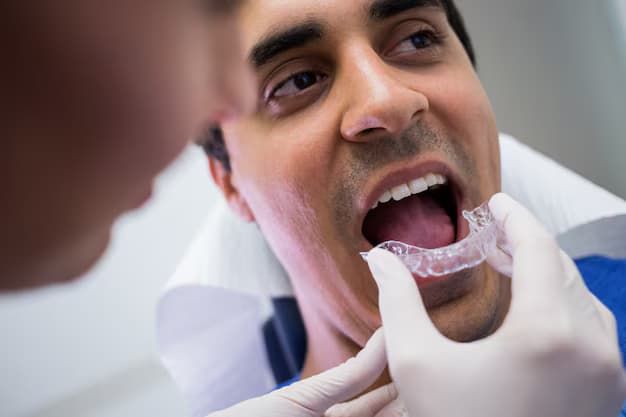
For patients who grind or clench, nightguards protect teeth and reduce stress on the TMJ.
Crowns for At-Risk Teeth
When a crack is advanced but not broken, a crown can hold the tooth together and prevent a full fracture.
Preventive Monitoring
Some cracks don’t need immediate treatment but should be watched closely using digital imaging.
All of these options are commonly part of comprehensive TMJ Treatment in Columbus when tooth damage is involved.
Why Early Action Matters
Ignoring unexplained tooth pain doesn’t make it go away; it usually allows the problem to grow. What starts as a small crack can turn into:
- A broken tooth
- A root canal
- Or even tooth loss
Early diagnosis protects your natural teeth and often saves time, discomfort, and cost.
When Should You Seek Help?
You should consider an evaluation if:
- You have tooth pain when biting, but no visible cavity
- Pain moves from tooth to tooth
- You’ve been told “everything looks fine,” but it doesn’t feel fine
- You clench, grind, or have jaw tension or headaches
These are classic signs that TMJ Treatment in Columbus may be needed, not just for your jaw, but for your teeth as well.
A Smarter Approach to “Mystery Pain”
Unexplained dental pain can be discouraging, but it’s rarely imaginary. With today’s technology, we can look beyond what’s visible and understand how your bite and jaw are truly functioning.
By combining advanced diagnostics with personalized care, we help patients find answers earlier and protect their smiles long-term. That problem-solving approach is what modern TMJ Treatment in Columbus should look like: clear, precise, and focused on prevention, not just repair.
If you’ve been living with unanswered tooth pain, it may be time to look deeper than the X-ray.